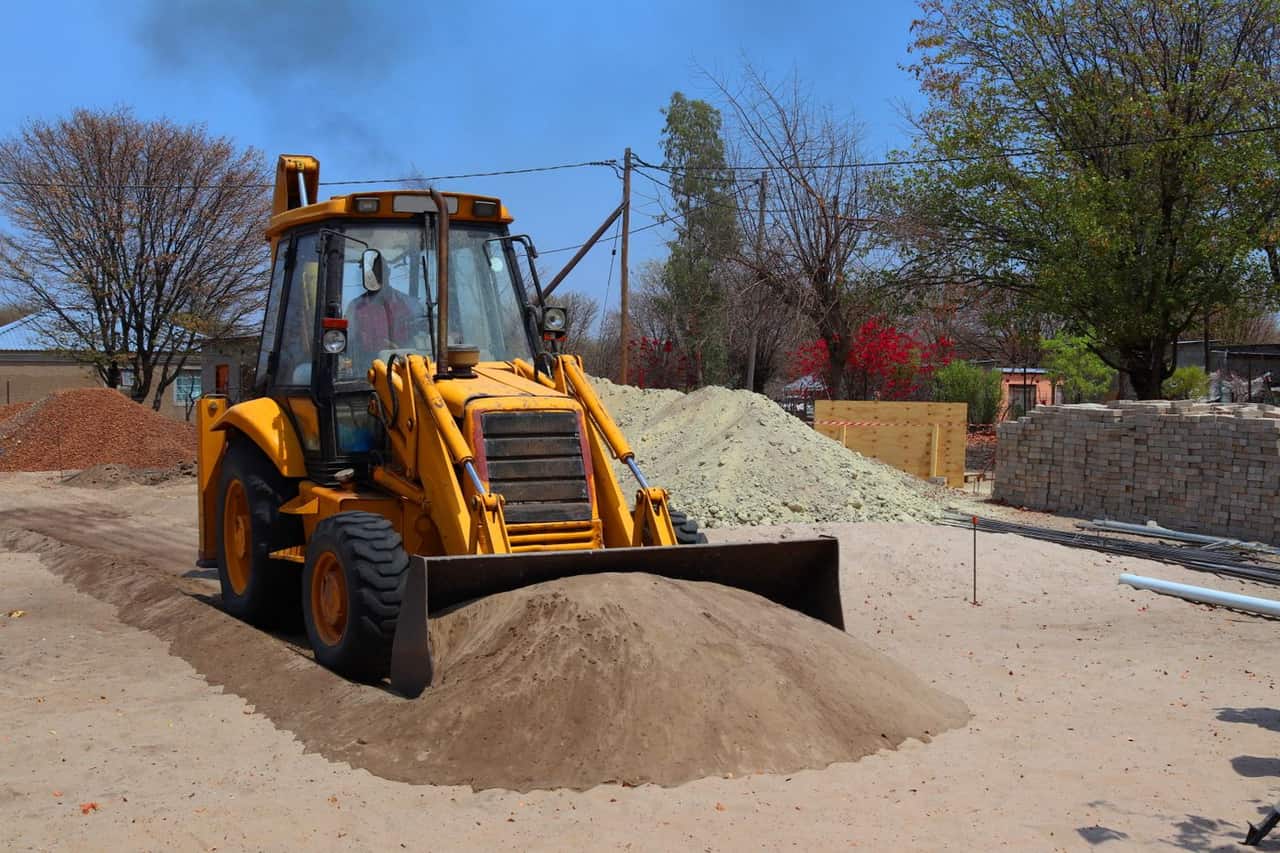
Excavation is the headline — write it like one
Groundworks RAMS live and die on two questions: will the excavation stay open, and is there anything in the ground that can kill you. Trench collapse remains one of construction's most lethal events, and the controls are unambiguous — support (boxes, sheets and props) or battering to a safe angle, decided by a competent person against the actual ground conditions, never by optimism. Your RAMS should state the support method per depth and soil, the inspection regime (start of every shift and after rain or any event affecting stability), and the rule that nobody enters an unsupported excavation beyond the safe depth.
More detail
Buried services are the second question. HSG47 is the playbook reviewers expect: utility drawings reviewed, CAT and Genny sweep before breaking ground, trial holes and hand-digging within the tolerance zone of located services, and a permit to dig recording it all. Strikes on electricity cables and gas mains are the rejections-with-consequences category — no PC will pass a groundworks RAMS that's casual about it.
Plant, people and the edge
Most groundworks gangs work around a 360 and a dumper all day, so the people/plant interface needs real arrangements, not "banksman to be used": exclusion zones around slew radius, agreed signals, high-vis discipline, and one-way routes for dumpers with tipping rules at the edge (stop blocks, no tipping parallel to an open excavation). Falls into excavations get controlled with edge protection or barriers a metre back, and ladder access at proper intervals.
More detail
Water changes everything: ingress undermines support, floods working areas and turns a trench into a confined space risk. Say how you'll pump, where the water goes (silt and pollution control — the Environment Agency cares even when the PC doesn't), and when rising water stops the job.
Confined spaces and deep drainage
Manholes, deep chambers and enclosed excavations bring atmosphere risks that ordinary digging doesn't: gas monitoring before and during entry, forced ventilation where needed, a top man at all times, and a rescue plan with the tripod and winch actually on site. If entry is possible on your job, the RAMS needs the confined-space entry permit arrangements and named, trained entrants. If it isn't, say so explicitly — reviewers prefer a clear exclusion to silence.
More detail
Close with reinstatement and testing: compaction, backfill sequence around services, and the inspection/CCTV or air test plan for drainage. It signals the job is engineered end to end.
Groundworks RAMS FAQs
At what depth does a trench need support?
There's no magic legal depth — the Work at Height-style myth of 1.2 m is guidance shorthand, not law. CDM 2015 requires excavations to be prevented from collapsing; in practice a competent person assesses ground, water, surcharge and time open, and shallow trenches in poor ground can still kill. State your support decision and its basis in the RAMS.
What is a permit to dig and do I need one?
It's the documented check that services drawings were reviewed, a CAT/Genny sweep was done and located services were marked before breaking ground. On managed sites it's mandatory; on your own jobs it's still the standard the HSE's HSG47 expects. The builder's excavation report includes it.
When does a manhole become a confined space job?
When the space is substantially enclosed and there's a foreseeable risk like bad air, flooding or free-flowing solids — most deep chambers qualify. That triggers the Confined Spaces Regulations 1997: gas monitoring, a top man, entry permits and real rescue arrangements, not just a ladder and good intentions.
Who inspects the excavation and how often?
A competent person at the start of every shift, and again after rain, frost, surcharging or anything else that could affect stability. Findings get recorded. Put the named role in the RAMS — reviewers look for it.
Can the builder produce a groundworks RAMS?
Yes — the excavation report asks about services, entry, water, plant and support method, and writes your answers into the document with the permits attached. Free during early access.