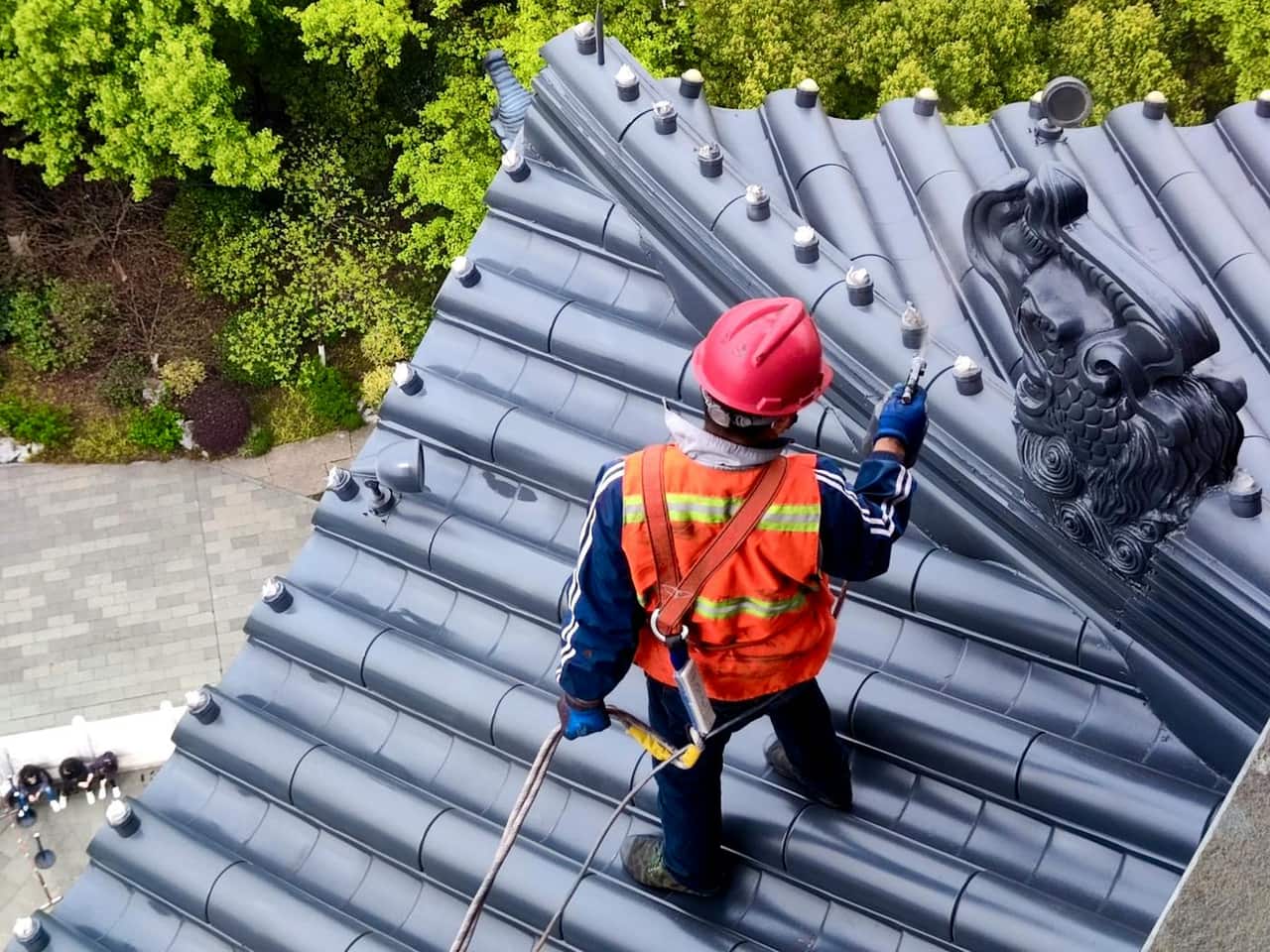
Falls own this trade — structure the RAMS around them
Roof work kills more construction workers than any other activity, and reviewers read roofing RAMS with that statistic in mind. The Work at Height Regulations 2005 hierarchy is your skeleton: avoid the roof where possible, prevent falls with a proper working platform and edge protection, and only then mitigate with nets, bags or harnesses. A RAMS that jumps straight to "operatives will wear harnesses" without explaining why collective protection isn't being used reads as backwards — and usually gets sent back.
More detail
Name the access method and own it: fixed scaffold with edge protection to the working perimeter, a tower for short-duration work, a MEWP for inspection and repairs, roof ladders on pitched re-covers. Each carries its own competence tag (CISRS for the scaffold, PASMA, IPAF) and its own inspection regime. The reviewer wants to see the right method matched to the right job duration — ladders for a re-roof is an instant rejection.
Fragile surfaces: the silent killer
Fragile roofs — rooflights, fibre cement, corroded sheeting — kill experienced roofers who walked similar roofs for years. Your RAMS should treat fragility as the default until proven otherwise: identify rooflights and fragile areas before access, cover or barrier them, use crawl boards or staging to spread load, and keep everyone off identified fragile zones. On refurbishment, add the asbestos question: cement sheets and old felts on pre-2000 buildings need the survey checked before anyone cuts or breaks anything.
More detail
Falling materials need the same respect as falls: stripped slates and battens come down a chute or are lowered, never thrown; the drop zone below is excluded and signed; and gable/eaves work over public footpaths brings fans, netting or pavement closure into scope.
Weather, hot works and the rescue question
Roofing is the one trade where the weather limit belongs in the method statement: a wind speed at which work at the edge stops (commonly around 23 mph / force 5 for general roof work, lower for sheet handling), plus rain and ice rules. Reviewers like seeing a number because it makes the stop-work decision objective on the day.
More detail
Torch-on felt and bitumen bring hot works onto a combustible deck: permit arrangements, extinguishers at roof level, a fire watch for the hour after the torch goes out, and gas-bottle handling all need to be written down. And as with scaffolding — if harnesses are part of the plan, a real rescue plan with named equipment and a trained rescuer is non-negotiable; a suspended roofer cannot wait for the fire brigade.
Roofing RAMS FAQs
Can we use ladders for roof repairs?
For short-duration light work (inspection, a slipped slate), a correctly footed and tied ladder plus a roof ladder can be justified. For anything sustained — re-covers, gutter replacement runs, chimney rebuilds — reviewers expect a platform: scaffold, tower or MEWP. Duration is the test the HSE itself uses.
What wind speed stops roof work?
Common practice is to stop general roof work around 23 mph (force 5) and sheet/membrane handling well below that, but set your limit per task and put the number in the RAMS so the decision on the day is objective.
Do we need a rescue plan if we're clipped on?
Yes — that's exactly when you need one. Suspension trauma incapacitates in minutes, so the plan must name the rescue kit on site and the trained person using it. "Call 999" is the textbook rejection line.
How do we handle rooflights on a refurb?
Treat every rooflight as fragile regardless of age: locate them before access, then cover (load-rated covers) or barrier them off. Most fragile-roof deaths involve someone stepping on a rooflight they knew was there.
Is there a roofing report in the builder?
Yes — pitched roof re-cover, with job questions for fragile surfaces, asbestos, public below, overhead lines, access method and rescue plan. Your answers write the document. Free during early access.